How to decide if your roof can be repaired or needs full replacement
Understanding the difference between a repair and a replacement
When a roof shows signs of trouble, the first question most homeowners face is whether a simple repair will do or if the entire roof needs to come off. The answer depends on several factors: the age of the roof, the extent of the damage, the type of material, and the condition of the underlying structure. A repair can often solve a localized problem, but a replacement may be the only safe option when damage is widespread or the roof is near the end of its service life.
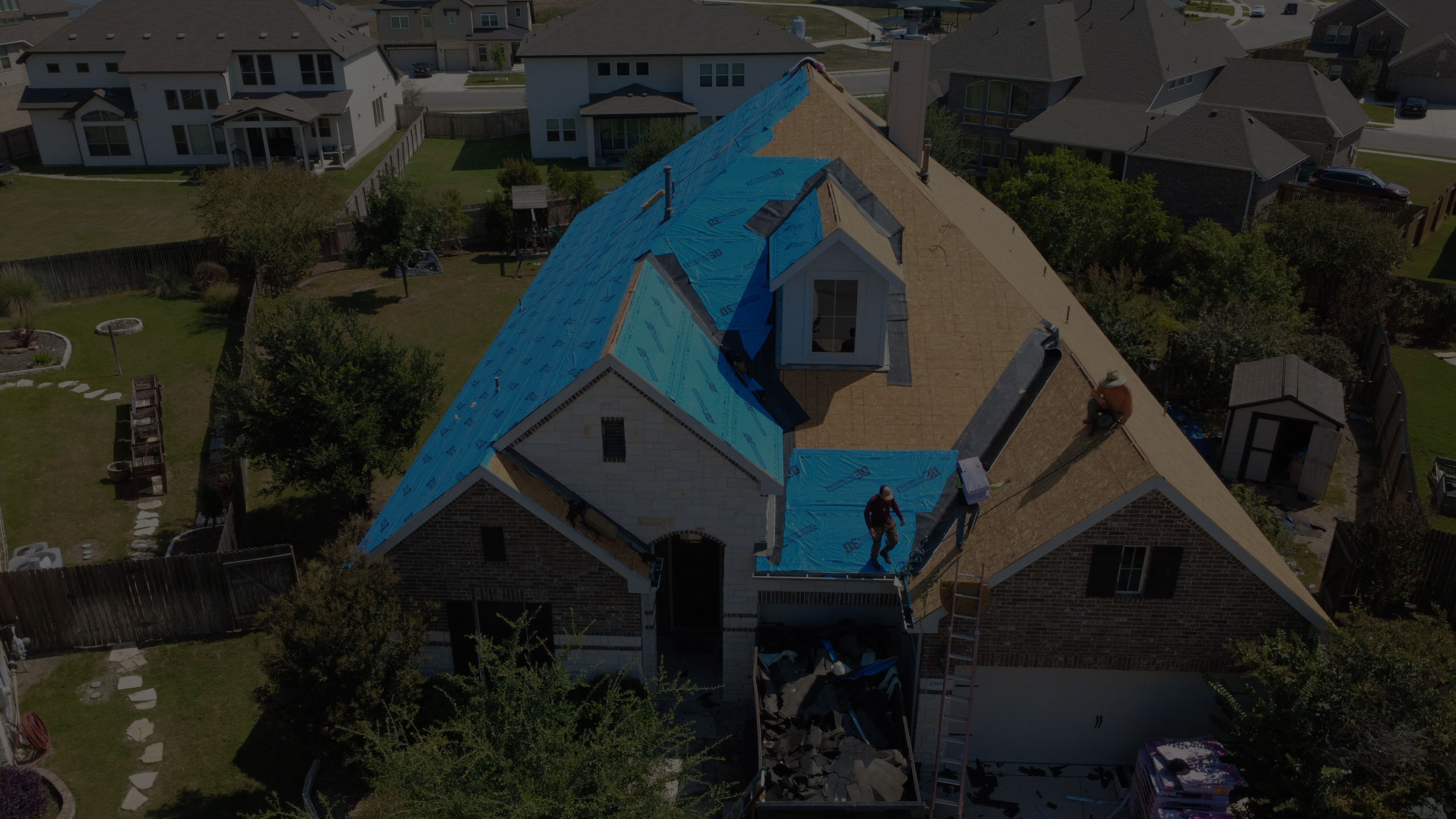
A repair targets a specific area where the roof has failed, such as a leak, a torn shingle, or damaged flashing. This approach is less expensive and less disruptive than a full replacement. A replacement, on the other hand, involves stripping off all layers of roofing material down to the decking and installing a brand-new system. The choice between the two is not always obvious, and a professional roof inspection is the best way to get an honest answer. Regenesis Roofing & Restoration LLC provides such inspections for homeowners in Cedar Park, Leander, and nearby North Austin communities.
Signs that a repair may be enough
Localized damage that does not compromise the roof's overall integrity can often be repaired. Here are common situations where a repair is a sensible choice.
Leaks around flashing or roof vents
Flashing is the metal or rubber material installed at roof valleys, chimneys, skylights, and other joints. When flashing cracks or pulls away from the surface, water can enter. A roofer can reseal or replace the damaged flashing without touching the rest of the roof. Similarly, a roof vent that leaks at its base can be re-flashed or re-sealed. These repairs are straightforward and cost-effective.
Missing or damaged shingles
A single missing shingle or a few cracked ones caused by wind or falling branches is a classic repair job. A roofer can remove the damaged shingles and install new ones, provided the remaining shingles are in good shape and the roof decking underneath is sound. This kind of repair restores the waterproof layer and prevents leaks from spreading.
Small areas of underlayment exposure
If the wind has peeled back a small section of shingles, exposing the underlayment, a roofer can patch that area. As long as the underlayment itself is not torn or degraded, a repair will restore the protective barrier. The same logic applies to a small patch of damaged roof decking: if the rot or damage is limited, a roofer can cut out the bad section and replace it, then re-cover the area with new underlayment and shingles.
When a repair is not enough
Some problems signal that the entire roof system has reached the end of its functional life. In these cases, a replacement is the wiser long-term investment.
Multiple leaks scattered across the roof
If you have leaks in several different areas, it often means the roof's waterproofing has failed broadly. Repairing one spot after another becomes a losing battle. The underlayment may be brittle, the shingles may be curling or cracking, and the flashing may be failing in multiple places. A full replacement resets the entire system and gives you a single, reliable waterproof layer.
Extensive shingle damage or granule loss
Shingles that are cupping, curling, or losing their mineral granules are nearing the end of their service life. When a large percentage of the roof shows these signs, replacing individual shingles is pointless because the rest will soon fail. New shingles installed among old ones will also look mismatched, which matters for curb appeal. A full replacement ensures uniform appearance and performance.
Rotting roof decking
The decking is the structural layer beneath the shingles and underlayment. If water has soaked through over time, the decking can rot, sag, or develop mold growth. Once rot extends beyond a small area, repairs become impractical because the structural support is compromised. A replacement allows the roofer to remove and replace all damaged decking, install new underlayment, and lay down a fresh roof that will last for decades.
Age of the roof
Most asphalt shingle roofs last 20 to 30 years. If your roof is within that range and showing wear, replacement is usually more cost-effective than repeated repairs. A repair on an old roof may buy you a year or two, but it will not address the underlying deterioration of materials. A new roof provides a fresh warranty and peace of mind.

Factors that influence the decision
Beyond the visible damage, several practical considerations shape the repair-or-replace decision.
Cost over time
A single repair is cheaper than a full replacement, but multiple repairs add up. If you have paid for two or three repairs in the past few years, the cumulative cost may approach the price of a new roof. At that point, replacement becomes the more economical choice. A professional roofer can help you estimate the remaining life of your roof and compare the cost of ongoing repairs to a one-time replacement.
Energy efficiency
An older roof with degraded materials may not insulate as well as it once did. A new roof, with modern underlayment and proper ventilation, can improve your home's energy efficiency. This is especially relevant in hot Texas summers, where attic temperatures can soar. A roof replacement gives you the chance to upgrade insulation and install ridge vents or other ventilation improvements.
Storm and hail damage
Hail can cause widespread damage that may not be obvious from the ground. Granule loss, bruising of shingles, and cracked tiles can all result from a single storm. A thorough inspection after a hailstorm can determine whether repairs are sufficient or if the damage is too extensive. In many cases, insurance covers storm-related damage, which can make a replacement more affordable.
Interior signs of trouble
A ceiling stain in one room may be a simple leak to fix. But if you see multiple stains, peeling paint, or mold growth on ceilings and walls, the problem may be more widespread. Water travels along roof slopes and can enter at one point and show up elsewhere. A roofer can trace the source and assess whether the damage is isolated or systemic.
How a professional inspection helps
A trained eye can spot issues that a homeowner might miss: small cracks in flashing, lifted shingles, worn underlayment at roof valleys, or signs of moisture in the decking. An inspector will walk the roof, check vents and penetrations, and look for interior clues like stains or damp insulation. After the inspection, you receive a clear assessment of the roof's condition and a recommendation for repair or replacement. Regenesis Roofing & Restoration LLC offers these inspections as part of its roofing services in Cedar Park, Leander, and nearby North Austin communities.

Making the right call between a repair and a replacement saves you money, time, and stress. A repair solves today's leak, but a replacement gives you a roof that will last for years. The best approach is to get a professional opinion, weigh the costs and benefits, and choose the path that fits your home's needs and your budget.
Regenesis Roofing & Restoration LLC, located at 2302 John Tee Dr, Cedar Park, TX 78613, USA, and reachable at +1 512-674-5979, provides roof inspections, repairs, replacements, hail damage restoration, and storm-related roofing services for homeowners in Cedar Park, Leander, and nearby North Austin communities.
Regenesis Roofing & Restoration LLC is also on Facebook.